This video is a comprehensive look at the broad range of tools, both traditional and unconventional that can be used in oil, acrylic, ink, watercolor, and gouache.
Brush shapes & types, palette knives, cleaning tools, and more are explained. Discussion led by Art Prof Clara Lieu and Teaching Artist Alex Rowe.

Video Walkthrough
- How much does the price of the brush relate to the quality?
- Brands aren’t that important when buying brushes
- Go to the art store so you can physically touch the brushes
- Choosing brushes is all about your personal taste and preferences
- Acrylic brushes are softer and more delicate
- Bristle brushes are coarser, but able to have more “power” as a brush
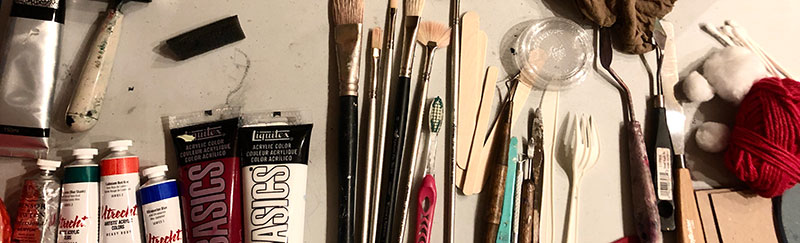
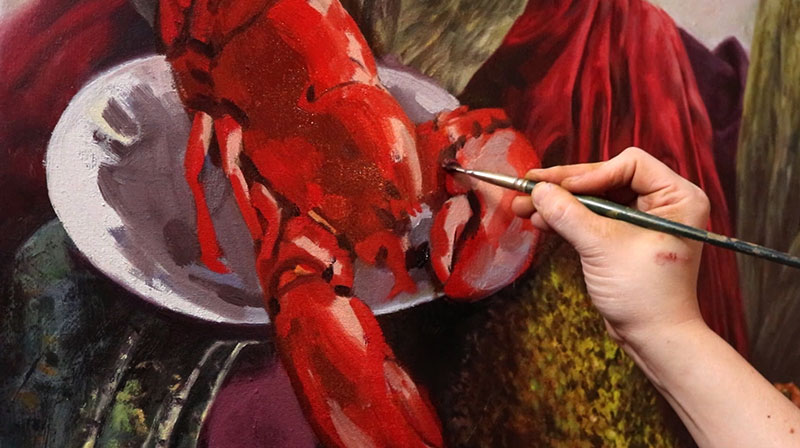
- Brush shapes: filbert, flat, round
- Liner brush: great for elegant lines
- Brushes for Chinese painting
- Water brushes are great for plein air
- Cheap bristle brushes from the hardware store are good for gesso
- Fan brushes are surprisingly versatile and give great effects
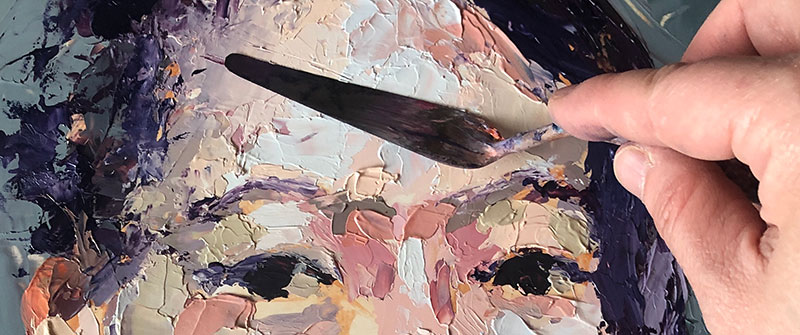
- Palette knives: plastic vs. metal
- Palette knives: flat vs. offset
- Tools for scraping into paint
- Literally anything can be a tool
- 3D effects: syringes & pastry bags
- Plastic dropper for ink gradients
- Tube wringer is great for squeezing out every last drop of paint
- Rags are good for clean up, but they are also effective as a painting tool
- Blue shop towels vs. cotton rags
- Window scrapers for glass palettes
Resources
The complete Painting for Self-taught Artists Curriculum document links to every video that expands on the topics touched here.
Full Curriculum
Overview · Painting 1 · Painting 2 · Painting 3
Art Supplies

Prof Lieu’s Tips

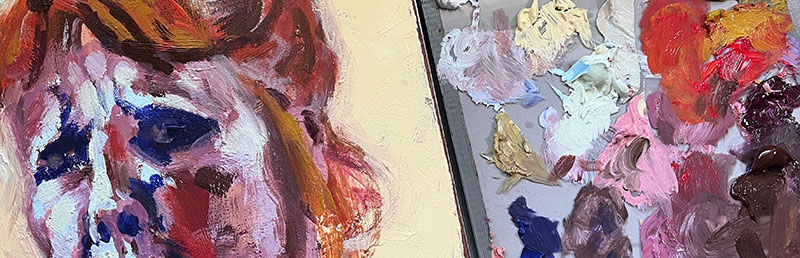
I would recommend staying away from straight white paint, that’s usually why highlights can feel chalky.
Depending on the lighting situation, I pretty much always add a touch of cadmium lemon yellow, or cerulean blue, etc. I rarely paint with straight white paint directly onto the canvas.
Same thing with black, mixing your own blacks is a really good experience and can provide a lot more nuance and variation in the dark areas. Two of my favorite black mixtures are:
- viridian + alizarin crimson
- ultramarine blue + burnt umber
As a free educational source, Art Prof uses Amazon affiliate links (found in this page) to help pay the bills. This means, Art Prof earns from qualifying purchases.
Get the art school training you never had

Stop making art all by yourself! Create art you can feel proud of in Art Club and get out of a rut quickly with our staff of 6 professional artists.